
How waste reaches the ocean
Marine litter comes from activities both on land and at sea. Poorly managed rubbish can be carried into waterways and coastal waters by wind and rain. Waste can also enter the sea directly from coastal activities, vessels, and fishing operations.
Fishing gear may be lost in storms, become caught on the seabed, or be damaged through interactions with other gear. Some equipment is also abandoned or discarded. Understanding how it was lost helps identify ways to prevent the problem and work with fishing communities on solutions.
When a net keeps fishing
Lost or abandoned gear can continue trapping animals after it is no longer being used. This is known as ghost fishing. Depending on the gear and where it ends up, fish, turtles, seabirds, and other wildlife may become entangled or caught. Gear can also damage habitats as it moves or settles.
The effects vary with the type of equipment, its condition, and the local environment. Prevention, reporting, and suitable recovery efforts all have a role in reducing harm.
Why plastic fragments matter
Plastic waste can break into smaller pieces instead of simply disappearing. Tiny particles known as microplastics can spread through water and sediments. Marine animals may swallow plastic, and larger items can entangle them. The effects depend on the animal and the material involved; research continues into the consequences of exposure.
Where beach cleanups fit
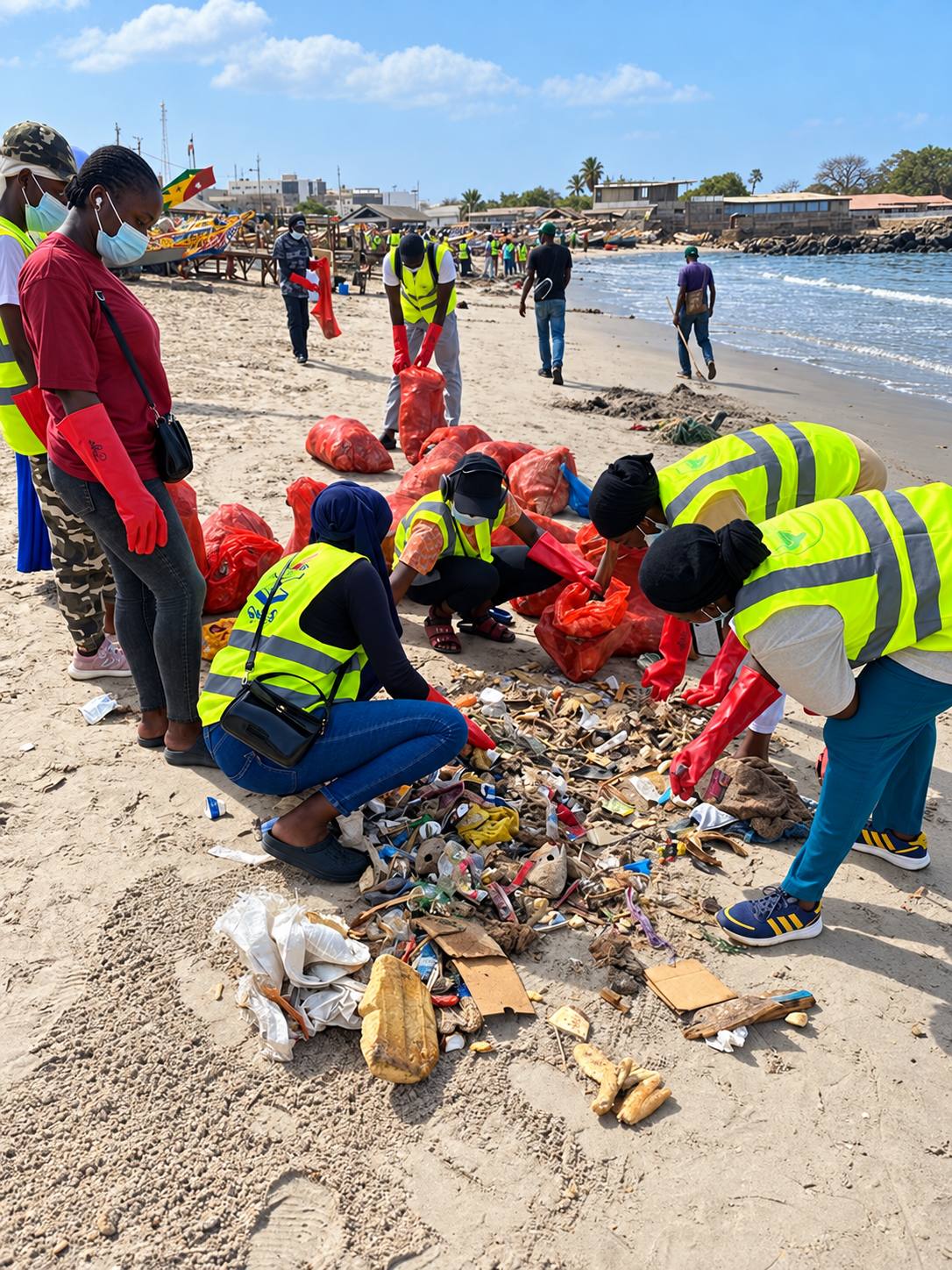
Cleanups remove visible litter, bring people together, and make pollution easier to understand. They work best alongside efforts to prevent waste from entering the environment and ensure that collected rubbish reaches an appropriate waste-management system.
What you can do
Join an organised cleanup, choose reusable items where practical, and use available collection and sorting systems. Support fishers in reporting lost gear and finding appropriate disposal options for worn equipment. Recovery of submerged gear should be handled by trained teams with suitable equipment. Prevention and responsible collection belong together.