
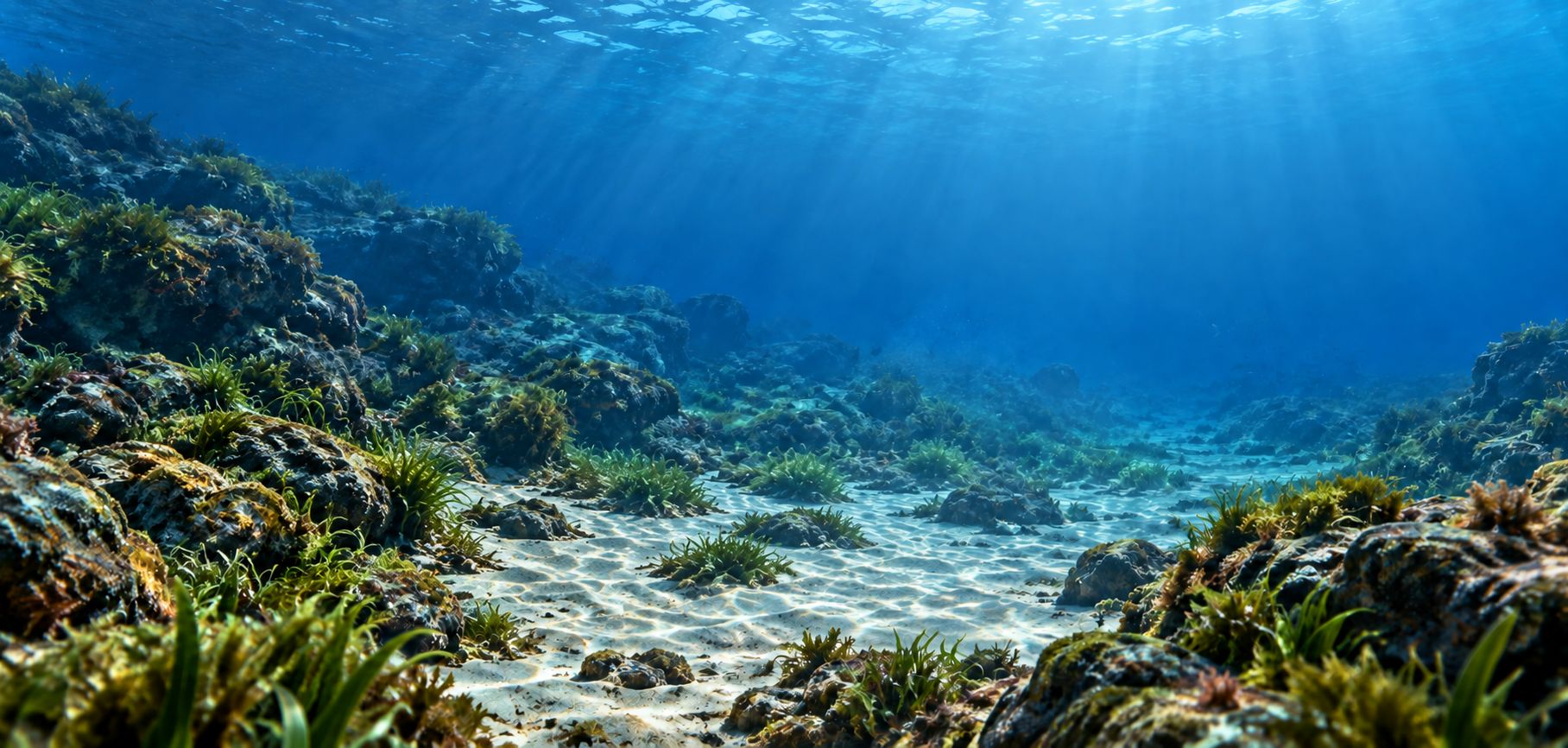
A changing environment
Fish species have different environmental needs. Changes in temperature can affect their growth, feeding, reproduction, and distribution. Some species may become more common in a place, while others become less available or shift towards more suitable conditions. The response depends on the species and its habitat.
Climate change can also interact with changes in oxygen, currents, and the timing of food availability. These connected processes make the effects on fisheries more complex than a simple change in water temperature.
Why Senegal’s coastal waters matter
Senegal is part of a productive coastal region where seasonal upwelling helps support marine food webs. Upwelling occurs when deeper water rises towards the surface, bringing nutrients that support the growth of microscopic plants. These plants help sustain the organisms that fish feed on.
Changes in winds, currents, and upwelling can affect the timing and location of this productivity. Regional research identifies potential changes in the abundance and movement of fish such as sardinella, while showing that responses differ between species. The direction and scale of future changes remain dependent on local conditions and the climate pathway.
Understanding changes in catches
Fish becoming less available in a familiar fishing ground can affect fishing trips, work, and access to food. These impacts can extend beyond the boat to fish processors, traders, and households.
However, changes in catches can result from several pressures acting together. Fishing intensity, habitat degradation, natural environmental variability, and climate change can all contribute. Understanding their roles requires observations over time and careful analysis of the stock and fishery concerned.
What you can do
Take part in conversations that bring fisheries science and fishers’ experience together. Support responsible fishing and protection of coastal habitats, which can help reduce additional pressure on marine ecosystems. When discussing a change in catches, ask what evidence is available and which other factors have been considered. Sharing knowledge is a practical starting point for adaptation.